
ABOUT SKYRISE
How to Protect Roof from Extreme Weather Conditions in Australia
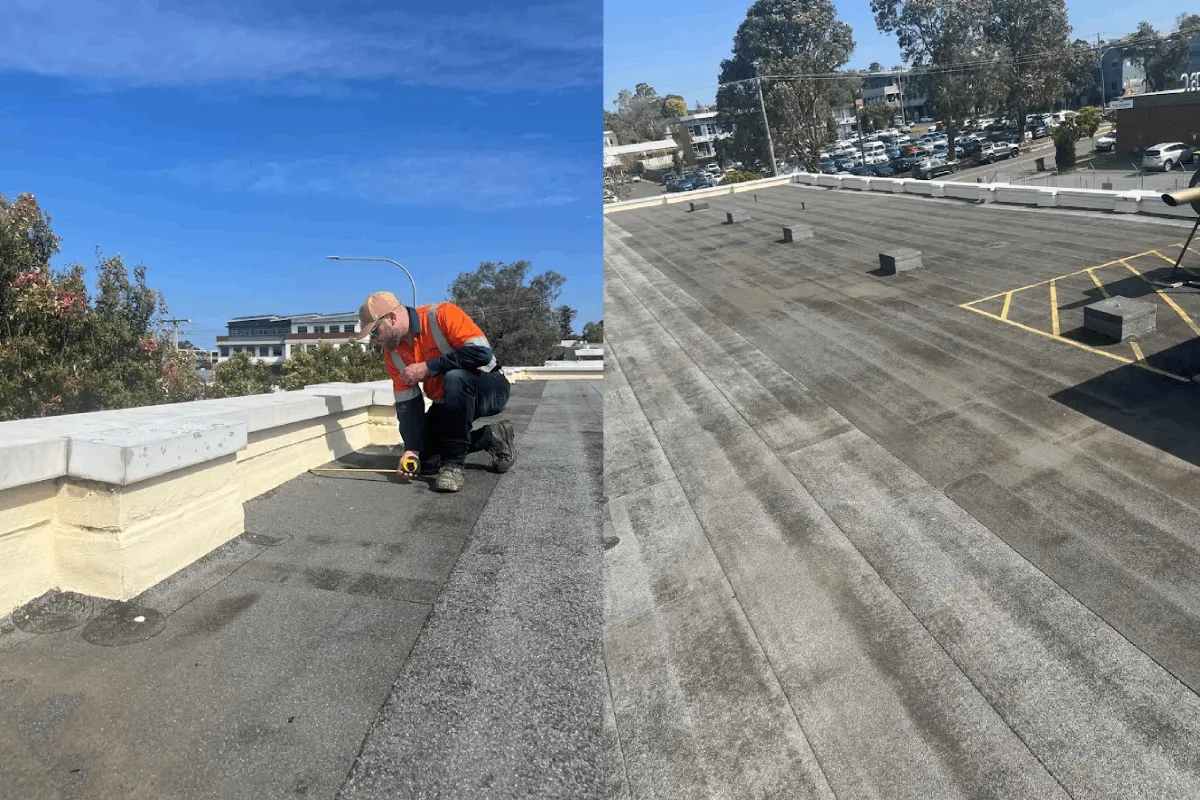
Australians tend to speak about weather with a kind of resigned familiarity. Heatwaves. Sudden storms. Hail the size of golf balls. Cyclones up north. Bushfire smoke drifting across entire regions. It becomes ordinary conversation after a while, which may be part of the problem.
Roofs absorb all of it.
And yet most people rarely think about their roof until water appears inside the house or a storm tears something loose at two in the morning.
By then, the damage has usually been building quietly for years.
Is your roof ready for Australia’s unpredictable and extreme weather conditions?
It sounds like the sort of question used in television advertising. Slightly dramatic. But honestly, it is a fair question. Australian homes sit under some fairly punishing conditions, and roofing systems age faster here than many homeowners expect.
Not always catastrophically. Sometimes the decline is subtle. A loosened flashing here. A tiny crack in pointing there. Heat slowly weakening sealants over several summers until the next major storm finally exposes the weakness.
People often blame the storm itself. In many cases, the roof was already struggling long before the weather arrived.
Australian Weather Doesn’t Leave Roofs Alone for Long
A roof in Melbourne deals with different stresses than one in Cairns or Perth, but none really get an easy run.
Northern regions face heavy rain, humidity, and cyclone conditions. Inland homes endure relentless heat and dry expansion. Coastal properties battle salt air that quietly corrodes metal over time. Then there are hailstorms, which seem to arrive with increasing intensity in some areas, though discussions around climate patterns tend to become political fairly quickly. Better not to oversimplify that.
Still, the physical effect on roofing is obvious enough.
This is partly why concerns around extreme weather roof damage Australia keep surfacing in insurance reports and trade discussions. Roofing systems are being pushed harder and more often. Older homes especially may carry years of deferred maintenance hidden beneath ceilings that still look perfectly fine from indoors.
That delay between damage and visible symptoms catches people out repeatedly.
Heat Does More Damage Than People Think
Storms look violent. Heat looks harmless.
But prolonged Australian heat can be surprisingly destructive, particularly across older roofs. Materials expand during the day and contract overnight. That movement repeats thousands of times over the years. Fasteners loosen. Sealants dry out. Protective coatings begin to fail.
Metal roofs can become extremely hot during peak summer periods. Tile roofs hold heat differently, though they are not immune either. Roof cavities trap temperatures that would feel unbearable to stand inside for more than a few minutes.
Can Australian heat damage roofs?
Absolutely.
Some roofing products cope better than others, but no material is entirely unaffected by long-term UV exposure. That is one reason builders increasingly discuss UV-resistant roofing materials, especially in regions where intense sunlight remains constant for much of the year.
Although marketing claims around roofing products occasionally stretch reality a bit. Every manufacturer promises durability. Few talk honestly about maintenance requirements twenty years later.
That silence tells its own story.
How Much Could Heat Damage Be Costing Your Business?
Heat damage actually affects your whole business operation, not just the roof. It impacts everything you do. High heat makes roof materials grow big and small again and again which only creates long-term damage to the building structure.
We are seeing how heat only affects business roofs in these ways.
Most Roof Problems Begin Quietly
When was the last time you checked your roof for weather damage?
Most homeowners hesitate before answering because they honestly cannot remember.
That’s fairly normal. Roofs are easy to ignore precisely because they sit overhead doing their job without demanding attention. Until something changes.
The difficulty is that roofing damage rarely announces itself early. Water can enter through tiny openings long before stains appear on ceilings. Wind may lift flashing just enough to weaken waterproofing during future storms. A cracked tile may survive one season and fail completely the next.
People often expect roof failure to feel dramatic. In reality, deterioration tends to creep.
Then suddenly there is mould in the ceiling cavity or insulation soaked after heavy rain.
experience, not paying attention to early warning signs regarding small problems can quickly make them become big costly issues.
This situation itself needs attention. Businesses in Australia are only facing problems when UV rays and heat
damage their commercial roofs.
When Was the Last Time You Checked Your Roof Condition?
When was the last time you checked your roof for weather damage?
Most homeowners hesitate before answering because they honestly cannot remember.
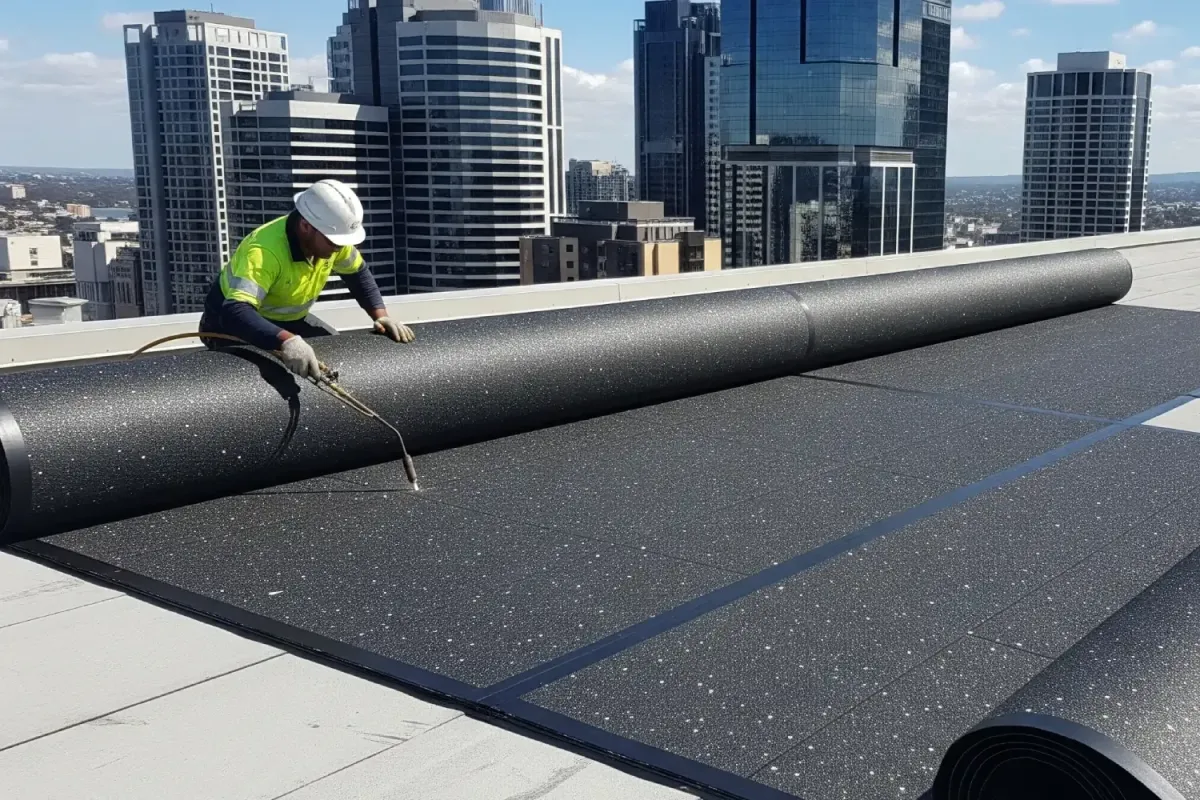
That’s fairly normal. Roofs are easy to ignore precisely because they sit overhead doing their job without demanding attention. Until something changes.
The difficulty is that roofing damage rarely announces itself early. Water can enter through tiny openings long before stains appear on ceilings. Wind may lift flashing just enough to weaken waterproofing during future storms. A cracked tile may survive one season and fail completely the next.
People often expect roof failure to feel dramatic. In reality, deterioration tends to creep.
Then suddenly there is mould in the ceiling cavity or insulation soaked after heavy rain.
Gutters Matter More Than Anyone Wants to Admit
Gutters are probably the least glamorous part of a home. Nobody discusses them with enthusiasm.
Still, blocked gutters contribute to an astonishing amount of preventable damage. Leaves collect. Water overflows. Timber fascia remains wet longer than intended. During heavy storms, backed-up drainage can push water beneath roofing edges where it has no business being.
Homes surrounded by gum trees already know this cycle.
The frustrating part is that gutter maintenance is not complicated. It is just neglected. People postpone it because nothing appears urgent until the first major downpour of the season exposes the problem all at once.
And Australian storms have a habit of finding weak points very efficiently.
Roofing Material Choice Isn’t Just About Appearance
There is a tendency to choose roofing based mostly on visual appeal. That makes sense to a point. Roofs shape the character of a home.
But Australian conditions punish poor material choices.
Is your roof prepared to handle Australia’s extreme weather—from scorching heatwaves to sudden storms and destructive hail?
That depends partly on whether the roofing system suits the local climate in the first place.
Metal roofing performs well in many regions because it sheds rain efficiently and generally handles bushfire exposure better than some alternatives. Tile roofing offers thermal advantages and often lasts decades when maintained properly. Yet severe hail can crack tiles more easily than homeowners realise.
This is where conversations around hail damage roof protection Australian systems have become more common, especially after recent storm seasons. Impact-rated products, reinforced installation methods, and upgraded coatings are receiving more attention from builders and insurers alike.
Though no roof becomes indestructible. That idea belongs mostly to marketing brochures.
The goal is resilience, not perfection.
Maintenance Is Boring. It Still Matters.
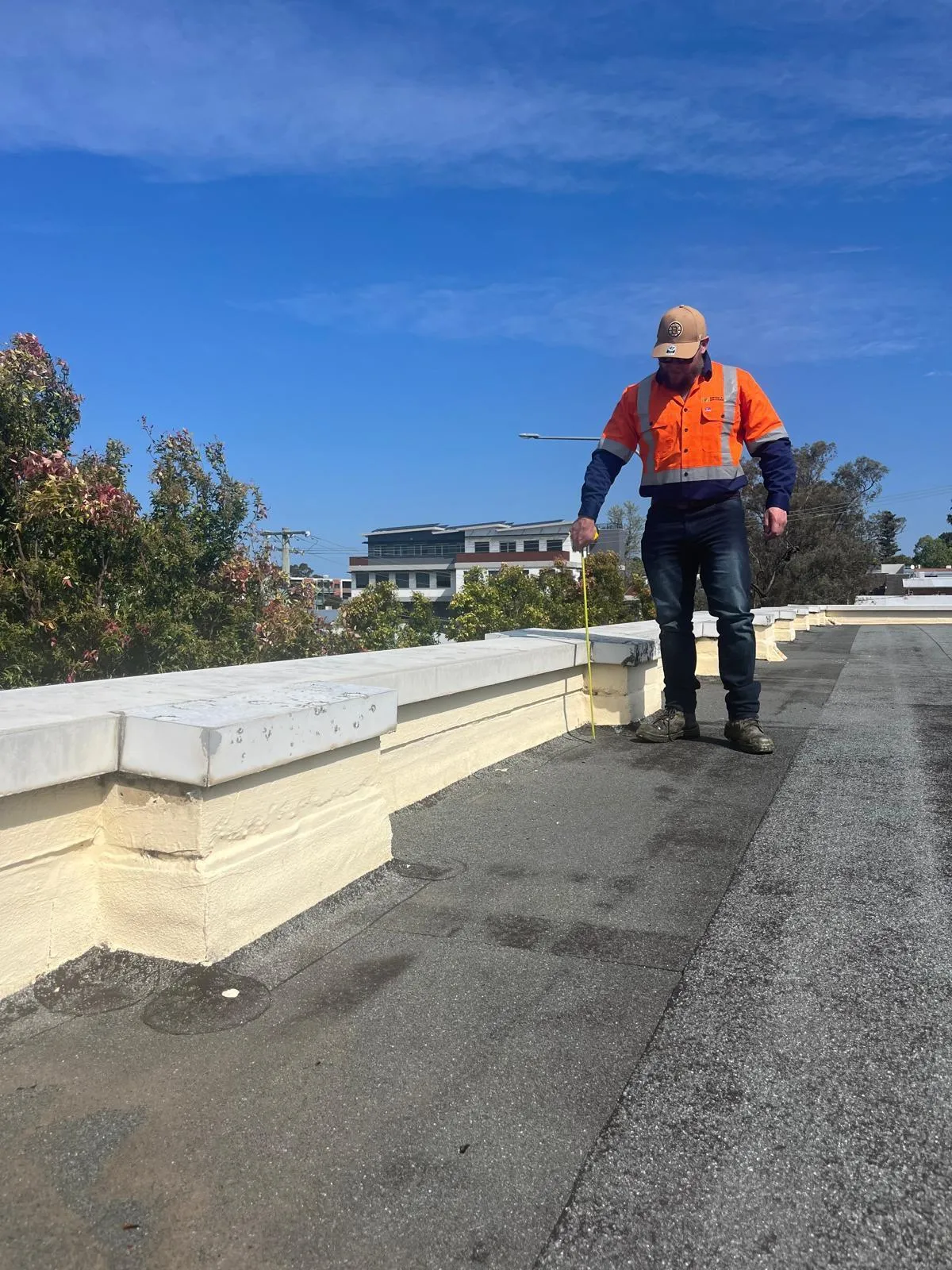
People willingly spend money renovating kitchens they already use every day. Roof maintenance rarely inspires the same energy because the benefit feels invisible. You pay mostly to prevent future problems. Which, admittedly, is not emotionally satisfying.
Yet consistent maintenance remains one of the more practical ways to Protect Roof from Extreme Weather Conditions in Australia. Small inspections catch issues before they spread. Loose fasteners get repaired before storms tear larger sections free. Drainage gets cleared before overflow damages structural timber.
Is your roof maintenance routine enough for Australia’s climate?
For many homes, probably not. That is not always carelessness. Life fills up quickly. But Australian weather tends to punish neglect faster than milder climates elsewhere. Roofs here do not really get long recovery periods between harsh seasons.
An annual inspection helps. After major storms, another inspection usually makes sense even if no obvious leaks appear immediately. Especially after hail events. Because sometimes damage hides surprisingly well.
Trees, Shade, and Unexpected Problems
People like mature trees near homes for understandable reasons. Shade matters during Australian summers. But overhanging branches also create friction against roofing during wind events, drop debris into gutters, and increase moisture retention after rain.
That balance becomes tricky.
Cutting every nearby tree down is unnecessary. Thoughtful trimming often does enough. The issue is less about trees themselves and more about unmanaged contact between vegetation and roofing surfaces.
Again, small issues. Quiet ones.
Those tend to become expensive when ignored long enough.
Roof Protection Is Really About Paying Attention
There is a strange assumption that roofing systems should simply survive untouched for decades. Some do. Others absolutely do not.
To properly Protect Roof from Extreme Weather Conditions in Australia, homeowners usually need consistency more than dramatic upgrades. Maintenance. Inspections. Choosing suitable materials. Addressing minor deterioration before weather magnifies it into structural damage.
None of this sounds especially exciting.
But experienced roofers will probably tell you the same thing: major failures often begin with very ordinary problems that stayed unattended too long.
One loose sheet. One blocked downpipe. One cracked seal around a vent.
And then summer arrives hotter than expected. Or hail hits harder than forecast. Or heavy rain keeps falling for days longer than anyone planned for.
Roofs remember neglect even when homeowners do not.
To Protect Roof from Extreme Weather Conditions in Australia, the smartest approach is usually steady attention rather than panic after disaster. Houses rarely need perfection. They need care at the right moments.
That distinction matters more than people think.
FAQ
How can I protect my roof from extreme weather in Australia?
Regular inspections help identify early signs of wear before storms make them worse. Cleaning gutters, repairing damaged flashing, replacing cracked tiles, and trimming overhanging branches all reduce risk. After major weather events, professional roof checks are often worthwhile even if damage is not immediately visible.
What roofing material is best for Australian climates?
It depends heavily on the region. Metal roofing performs well in many parts of Australia due to heat resistance and durability during heavy rain. Tile roofs offer thermal benefits but may be more vulnerable during severe hailstorms. Coastal homes also require materials that resist salt corrosion.
Can Australian heat damage roofs?
Yes. Extended exposure to heat and UV radiation gradually weakens roofing materials, sealants, and coatings. Over time, repeated expansion and contraction can create cracks, loosen fasteners, and reduce waterproofing performance.
How often should roofs be inspected in Australia?
Most roofs benefit from a professional inspection at least once a year, particularly before storm season. Additional inspections after hailstorms, cyclones, or strong wind events are generally recommended.


Skyrise Protect – A roofing protection initiative by TWSSS
We're committed to delivering durable, weatherproof commercial roofing solutions. With minimal disruption to your operations and maximum protection for your critical assets and infrastructure, your building stays secure in any weather


Contact Us
Service Areas
Primary : Sydney & Canberra
Other states available via arrangement
Location 1 : Unit1, 92 York St Tahmoor
Location 2 : 240 Albatross Road, Nowra Hill
+61 468 041 312
©2026 TWS SERVICE AND SOLUTIONS, All rights reserved.