
Blogs
Why Coastal Buildings Need Extra Roof Protection
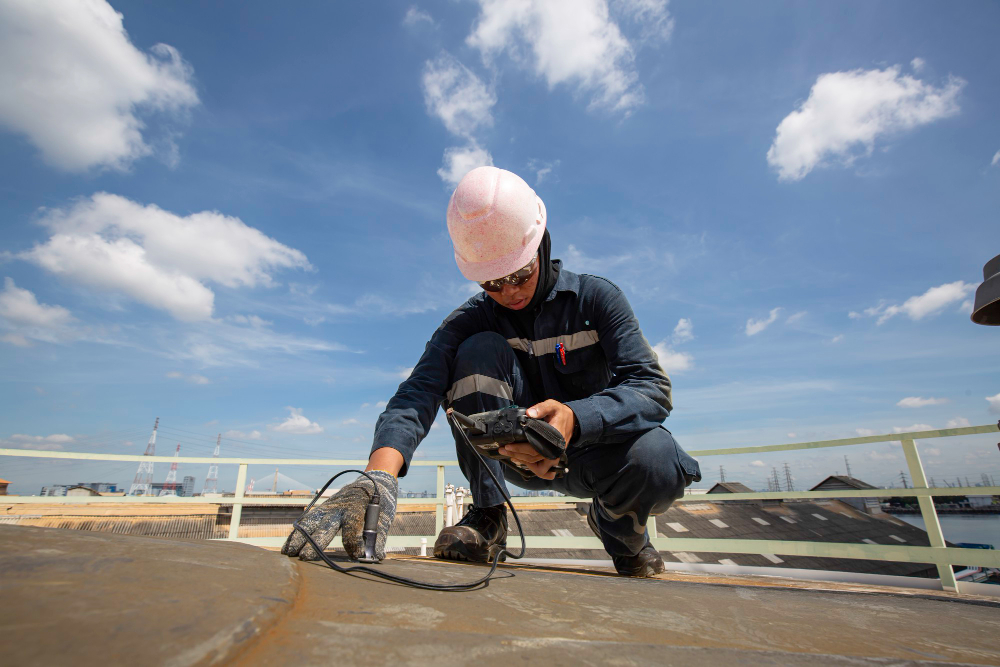
Stand near the ocean long enough and you begin to notice something. The sea has a way of touching everything.
Not dramatically. Not all at once. It works slowly. Salt settles onto surfaces. Moisture lingers in places it shouldn't. Winds carry fine particles that seem harmless until years have passed and building materials begin to show the strain.
People often think of coastal living in terms of views, lifestyle, and weather. Fair enough. Australia's coastline is one of the country's greatest attractions. Yet anyone responsible for maintaining a building near the ocean eventually discovers that coastal environments demand more from a structure than inland locations do.
The roof, in particular, tends to absorb much of that punishment.
And that's why conversations about coastal roofing solutions for roof leaks are becoming increasingly common among homeowners, property managers, and commercial building owners throughout Australia's coastal regions.
The issue is not simply rain. If it were only rain, roof design would be much easier.
The Ocean Creates a Different Set of Problems
A building located a few streets from the beach faces conditions that are often absent further inland.
Salt-laden air is the most obvious factor. Tiny salt particles travel surprisingly far from the shoreline. They settle onto roofs, gutters, fasteners, flashings, and exposed metal surfaces. Over time, corrosion begins.
Sometimes the damage appears slowly enough that nobody notices.
Then one day a screw head fails. A flashing separates. Water finds an opening.
What started as a minor corrosion issue becomes a leak.
The challenge is that salt damage rarely announces itself early. It works quietly.
That may be one reason coastal roof failures can seem unexpected even when warning signs were present for years.
Why Roof Leaks Are More Common Near the Coast
People occasionally assume a roof leak is caused by a single event. A major storm, perhaps. A fallen branch. A damaged sheet.
Reality tends to be less straightforward.
Many roof leaks develop through a combination of small weaknesses accumulating over time. Coastal environments accelerate that process.
Strong winds repeatedly lift and pressure roofing components. Moisture remains trapped in joints and overlaps. Corrosion weakens protective coatings. Sealants age faster under intense sun exposure.
None of these issues alone necessarily cause a leak.
Together, they often do. A roof that might perform adequately inland may struggle after years of exposure to coastal conditions.
That distinction matters more than many property owners realise.
The Limits of Standard Roofing Systems
There's a tendency in construction to assume that if a product performs well in one location, it should perform well everywhere.
On paper, that sounds reasonable. In practice, it becomes messier.
Materials react differently depending on climate, environmental exposure, and maintenance conditions. A roofing system selected primarily for cost may not provide the lifespan expected when installed close to the ocean.
This is where the conversation shifts from ordinary roofing products to specialised roofing materials for coastal buildings.
Not because coastal construction requires something exotic.
It doesn't. But material selection becomes less forgiving.
A poor choice may remain hidden for years before revealing its consequences through rust, deterioration, or water ingress.
Choosing Materials That Can Handle Coastal Conditions
The best roofs for coastal environments are often the ones that acknowledge reality rather than fight it.
Salt exposure is inevitable. Wind exposure is inevitable. Heavy rainfall events are inevitable.
The goal is not eliminating these forces. The goal is reducing their impact.
Metal roofing remains popular across Australia, particularly because of its durability and ability to shed water efficiently. Yet not all metal products perform equally in coastal regions. Protective coatings, corrosion resistance ratings, and installation methods become increasingly important as proximity to the ocean increases.
Certain materials withstand salt exposure better than others.
Some fastening systems resist corrosion more effectively.
Even small design decisions can influence how moisture drains from a roof during prolonged wet weather.
These details rarely attract attention during construction.
Years later, they often determine whether a roof remains watertight.
Wind Changes Everything
Rain falling vertically is one thing.
Rain driven sideways by coastal winds is something else entirely.
Australia's coastal regions regularly experience weather events that place unusual pressure on roofing systems. Strong winds can force water beneath laps, around flashings, and into areas that remain dry under normal conditions.
A roof may appear perfectly sound when inspected on a calm day.
Then a severe storm arrives and exposes vulnerabilities nobody anticipated.
This is why storm and roof leak protection involves far more than simply installing stronger materials.
Design matters. Installation quality matters. Maintenance matters.
Water usually enters where multiple small issues overlap rather than through one dramatic failure.
At least that's what experienced roofing contractors often observe when investigating recurring leaks.
Gutters Often Receive Less Attention Than They Deserve
Roofs receive most of the attention.Gutters deserve more.
Blocked or deteriorated gutters can create conditions where water backs up beneath roofing materials. Overflowing systems may direct moisture into wall cavities or beneath roof edges.
Near the coast, gutters face many of the same corrosion pressures affecting roofing materials.
Salt deposits accumulate. Protective finishes wear down. Fasteners weaken.
The process is gradual enough that maintenance sometimes gets postponed year after year.
Then the first serious leak appears. The connection between roof performance and drainage performance is closer than many people think.
One rarely succeeds without the other.
Maintenance Is Less Glamorous Than Replacement
Nobody enjoys paying for roof maintenance.That probably explains why it gets delayed.
Yet coastal buildings often reward preventative maintenance more than almost any other type of property.
Regular inspections can identify corrosion before it becomes structural. Sealant failures can be addressed while still minor. Damaged flashings can be repaired before water enters occupied spaces.
The economics are usually straightforward. A small maintenance expense today may prevent a much larger repair bill later.
Of course, maintenance doesn't eliminate every problem. Some roofs eventually reach the end of their service life regardless of care.
Still, many serious leak issues begin as minor defects that remained unnoticed for too long.
Coastal Roof Protection Is About Layers
People sometimes search for a single solution.
A product. A coating. A material.
Something that solves everything.
Buildings rarely work that way.
Effective roof leak protection in coastal areas tends to come from layers of defence working together.
Suitable materials. Proper installation.
Good drainage. Regular inspections.
Timely repairs. Adequate ventilation.
None is perfect on its own.
Collectively, they create a roofing system capable of handling years of coastal exposure.
Remove one layer and the overall system becomes more vulnerable.
The Hidden Cost of Ignoring Small Leaks
A leak is rarely just a leak.
Water entering through a roof can affect insulation, plasterboard, structural framing, electrical systems, and interior finishes. Moisture may remain trapped long after visible signs disappear.
Sometimes occupants notice staining.
Sometimes mould develops. Occasionally the damage remains hidden behind walls and ceilings until significant repairs become necessary.
This is where delay becomes expensive. Not immediately. That's part of the problem.
The financial consequences often arrive months or years after the original leak first appeared.
By then, what could have been a straightforward repair has evolved into something considerably larger.
Why Coastal Roofing Requires a Different Mindset
Perhaps the biggest mistake is treating coastal buildings exactly like inland buildings.
The environments are different.
The stresses are different.
The risks are different.
That doesn't mean coastal ownership should be viewed as a burden. Millions of Australians live and work near the ocean quite successfully.
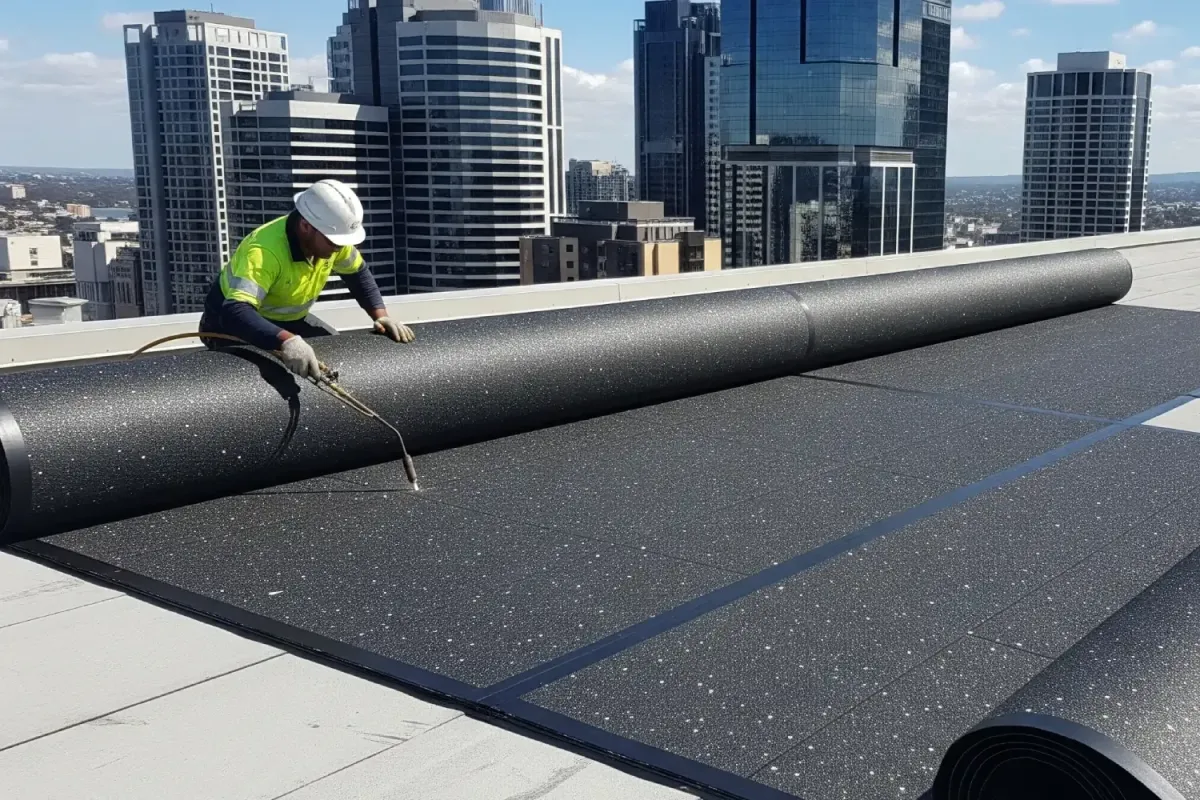
It simply means expectations should align with reality.
Roofs near the coast face conditions that accelerate wear.
Materials age differently. Maintenance schedules may need to be more frequent. Product selection deserves greater attention.
These aren't dramatic revelations. They're practical observations accumulated over decades of coastal construction experience.
And they continue to hold true.
Looking Beyond the Next Storm
When property owners think about roofing, they often focus on immediate threats.
The next storm. The next rainy season. The next cyclone warning. Those concerns are understandable.
Yet long-term roof performance is usually shaped by countless ordinary days rather than a single extreme event.
Salt exposure every morning. Moisture accumulation every evening. Wind pressure year after year. The cumulative effect matters.
Perhaps more than the occasional severe weather event.
That's why discussions around coastal roofing solutions for roof leaks should begin long before a leak appears. By the time water becomes visible inside a building, the underlying issue has often been developing for quite some time.
The strongest coastal roofs are not necessarily the most expensive.
They are usually the ones designed with environmental realities in mind, built using suitable materials, maintained consistently, and inspected before small problems become large ones.
It sounds simple. In many respects, it is.
The challenge lies in staying attentive to the quiet forms of damage that coastal environments create. Because unlike storms, salt and moisture rarely arrive with warning signs.
They simply keep working. Day after day. Year after year.
How can the right roofing materials prevent roof leaks in coastal areas?
Good coastal materials don’t fight the weather, they survive it quietly. Corrosion-resistant metals and sealed joints stop salt and moisture from slowly opening weak points that later turn into leaks.
What are the best coastal roofing solutions for protecting homes from salt air and storms?
The usual mix is simple: coated metal roofing, strong fasteners, proper flashing, and decent drainage. Nothing fancy, just systems that don’t give up when salt, wind, and rain show up together.
How do coastal weather conditions damage roofs over time?
It’s rarely one big failure. Salt eats into metal, wind loosens fittings, and rain finds the smallest gaps. After a few years, those small issues start lining up.
FAQ
How does salty air affect roofing materials?
Salt settles on surfaces and slowly starts corrosion, especially on exposed metal parts. It’s a slow process, but it weakens things long before you notice.
What are the best roofing materials for coastal homes in Australia?
Marine-grade metals and coastal-rated Colorbond® tend to hold up better because they’re built for salt exposure and harsh wind conditions.
Can coastal weather increase the risk of roof leaks?
Yes, mainly because wind-driven rain and corrosion create small entry points for water that grow over time.
Is sheet roofing suitable for coastal buildings?
It works well if the right coastal-grade sheets are used and installed properly. Without that, it can age faster than expected.


Skyrise Protect – A roofing protection initiative by TWSSS
We're committed to delivering durable, weatherproof commercial roofing solutions. With minimal disruption to your operations and maximum protection for your critical assets and infrastructure, your building stays secure in any weather


Contact Us
Service Areas
Primary : Sydney & Canberra
Other states available via arrangement
Location 1 : Unit1, 92 York St Tahmoor
Location 2 : 240 Albatross Road, Nowra Hill
+61 468 041 312
©2026 TWS SERVICE AND SOLUTIONS, All rights reserved.